Saturday, March 16, 2013

Double Mushroom Gravy.

double mushroom gravy
Ingredients


8 dried mushrooms, stems removed, broken in pieces


2 cups hot bouillon


1/2 pound fresh mushrooms, chopped


3 tablespoons soy sauce


2 tablespoons cornstarch dissolved in 1/4 cup cold water


freshly ground black pepper


Direction


Cover the mushroom pieces with the hot bouillon in a blender container. Let soak 20 minutes. When the mushrooms are soft, run the blender briefly to chop them fine.


Pour the mushroom-bouillon mixture into a pot and bring to a boil.


Add the fresh mushrooms and soy sauce; cook 5-10 minutes.


Stir in the cornstarch-water mixture and continue to cook 2-3 minutes, until thickened.


Season with black pepper to taste.


Yield: About 2 cups


Double Mushroom Gravy.

Are You Nutritionally Fit?

A recent survey of nearly 700 Americans showed that 72 percent believe they are healthy eaters, nutrition


yet government data proves otherwise.


The USDA recently revealed that Americans get plenty of protein and carbohydrates, but often fall short on key nutrients such as magnesium, potassium and vitamins C and E.


“Fifty years ago, we only recognized extreme cases of vitamin deficiencies, like scurvy, which is caused by a lack of vitamin C,” said Carroll Reider, MS, RD, Nature Made vitamins director of scientific affairs and education. “Science has advanced. We now know that even small amounts of vitamin deficiencies hurt us much more than people realize.”


While most Americans appear well fed, a key question is: Are you nutritionally fit? To assess your nutritional condition, Reider posed the following questions:


Do you shun the sun? People who wear sunscreen, live in northern climates or have darker skin may not receive optimal levels of vitamin D, which is made following exposure to sunlight. Vitamin D helps the body absorb calcium and may also promote ovarian, breast, prostate, heart and colon health. Reider suggests 1,000 IU of vitamin D daily for people who spend most of their time indoors and those who don’t synthesize vitamin D easily, such as darker- skinned individuals and the elderly. Vitamin D food sources include milk and fatty types of fish; however, it is hard to achieve optimal intake through food alone. It is also available in supplement form.


Do your meals lack color? Does dinner typically consist of meat, starch and the same green vegetable? For optimal health, add more colors to your diet. Vegetables such as steamed carrots, peppers and red cabbage add vibrant hues to the dinner plate while citrus wedges brighten the standard bed of greens. Eating a variety of fruits and vegetables maximizes nutrient intake and provides antioxidants, which help fight free radicals that may cause premature aging. “A multivitamin formulated for your age and gender is also a good way to compensate for dietary imbalances,” Reider said.


Is fish a regular dish? The American Heart Association recommends two servings of fish per week. Reider suggests salmon and tuna, which are rich in omega-3 fatty acids. Some studies suggest omega-3 fatty acids may promote heart health. Other sources include walnuts, flaxseed or vitamins.


Are You Nutritionally Fit?

Drink More Water For More Energy.

What makes up 70-80% of our planet? Water. What makes up 70-80% of our body? That’s right, water.Drink More Water For More Energy


Water is the single most important nutrient you will give your body apart from oxygen. Water rejuvenates us and carries vital nutrients all round the body where it’s needed. Water picks up all the leftovers, wastes and debris that the cells throw off into the lymph system and transport them out of the body via the channels of elimination.


So when you drink more water it has the double combination of feeding your body and clearing you of all the waste products that were built up in your system.


Your brain needs water, and plenty of it. Without water, your brain will operate worn out, tired and sluggish. Water is the ultimate gift to give yourself to think with clarity. In addition, water acts as a kind of healthy lubricant moistening tissues and joints.


When you drink, you want to avoid tap water. Tap water is more like a dazzling mix of chemicals. It contains fluoride, chlorine, and many others. The amount of chemicals in water will fill up books – it’s more like a chemical soup. The evidence that fluoride is poisonous is so overwhelming that it’s being pushed to be banned in many countries by action groups.


The thirst mechanism when having been turned off for a prolonged period is often mistaken for hunger. As you drink more water your thirst mechanism will return to its natural state. Not only will you begin to feel thirsty when you need water again, but your appetite will decrease.


This brings us to the next big thing you need to understand about water. If I asked you the difference between inorganic and organic minerals, chances are you couldn’t tell me, right? Well let’s briefly explain the difference. It’s a simple difference. Organic minerals come from plants; inorganic minerals come from rocks and volcanic sources. Organic minerals can be broken down by the body. Inorganic minerals are not used by the body and are stored until suitable water can come and carry them out. Organic minerals can be broken down by the body, while inorganic cannot. One is derived from natural plant life; one is derived from rocks,filings and small pieces of grit. Which one makes more sense to use?


It’s better to get your plant minerals through the food you eat rather than the inorganic form in water. Bottled water is often taken, tested and found to have bacteria and very often isn’t rated much better than tap water.


Do you know the best water to use? The best water to use is the same water you use in your iron. The purest water in the world is distilled water. It’s as pure as rainwater should be if our atmosphere wasn’t polluted.


If you haven’t yet heard that 70% of the world’s population is dehydrated – you will soon, as the UN push to get proper water supply to people in the third world.


The second best method of filtering is a type of filtering called “reverse osmosis”. Unfortunately the standard bench top filter isn’t enough.


Most of the nasty contaminants in our water simply don’t have a taste. Some people feel it’s a case of out of sight out of mind. This may work for things people think, yet when it comes to your body, the life of your children, the health of those you care about and the line between getting cancer and surviving it’s far short of acceptable.


The opportunity for energy, for vitality, for a quality of life is only known to a select few who choose to raise their standards and take action to apply what they know. New discoveries are being made all the time as new research comes out of the United States, out of Germany, and out of Australia and other countries. How does this apply to me you may ask? Well, these contaminants can kill you. Is this a reason to get upset? No, it’s simply an action signal to act smarter.


The best bit is when you’re drinking absolutely pure distilled water it is so much easier to drink. It’s so easy to refreshingly flood your body with purity that will flush out chemicals, clear out the lymph system and contribute to expelling excess weight in the body. Distilled water is so easy to drink and be absorbed by your body without having to flush out the other nasties first that many people report who were struggling to drink half a litre of water a day, are now drinking 4 litres a day and up, with ease! If you can’t get distilled water, reverse osmosis filtered or table water is the next best option.


Many people in third world countries don’t have access to a clean water supply. We in developed countries have currently almost unlimited access to clean water. My suggestion to you is to use it!


Drink More Water For More Energy.

Friday, March 15, 2013

7 Reasons Why You Should Be Using Coconut Oil.

It is a common misconception that coconut oil is bad for you. People all over the world are experiencing 7 Reasons Why You Should Be Using Coconut Oil


the healthy benefits of using coconut oil. It is actually one of the healthiest oils you can consume. Here are the top seven reasons why you should use coconut oil as an alternative to other common cooking oils.


1. Coconut oil doesn’t turn to fat in your body.


Unlike many other common oils, like soy (vegetable) and corn, coconut oil won’t make you fat. Coconut oil contains medium-chain triglycerides (MCT), which are an easy fuel for the body to burn, without turning to fat. Most other cooking oils and fats contain long-chain triglycerides (LCT). LCT’s are usually stored as fat. Since coconut oil is a MCT, it is more easily absorbed and converted to energy quicker.


People in the tropics have relied on coconuts as a traditional staple in their diet for centuries. They consume large amounts of coconut oil every day. Instead of getting fatter, it helps them stay healthy, lean and trim. When they switch from coconut oil to our modern oils, they develop obesity and the health problems that our modern society faces.


Some other people who have known this truth for a long time are people who are in the animal feed business. When livestock are fed vegetable oils, they put on weight and produce more fatty meat. When they are fed coconut oil, they become very lean.


2. Coconut oil increases your metabolism.


Not only does coconut oil convert to energy quicker in your body, it increases your metabolism, which promotes weight loss. Because it boosts your metabolism, it helps your body burn fat more effectively.


Coconut oil may triple your calorie burn. Since coconut oil is a MCT, it is converted to energy so quickly that it creates a lot of heat. In a study published in the American Journal of Clinical Nutrition, MCT’s burn three times more calories for six hours after a meal than LCT’s.


The February 15, 2005 issue of Woman’s World magazine stated that coconut oil is the “underground high-metabolism secret.”


This is great news for people who have thyroid problems, since coconut oil improves sluggish thyroids by stimulating the production of extra thyroid hormones. Most other common oils, like vegetable (soy) and corn have been shown to inhibit thyroid function.


3. Coconut oil has omega 3 fatty acids.


Most cooking oils contain omega 6 fatty acids, something we get way too much of in the United States. Our omega 6 to omega 3 ratio should be 1:1 but it is more like 50:1. We need to drastically cut back our omega 6 oils and consume much more omega 3 oils to be healthy. And coconut oil is filled with these healthy omega 3 fatty acids.


4. Coconut oil gives you energy.


Because of the healthy omega 3 fatty acids and the fact that it increases the metabolism, most people that switch to coconut oil feel a burst of added energy in their daily life.


This is because coconut oil is nature’s richest source of medium-chain triglycerides (MCT’s), which increase metabolic rates and lead to weight loss. MCT’s promote thermogenesis, which increases the body’s metabolism, producing energy.


This is because coconut oil is nature’s richest source of medium-chain triglycerides (MCT’s), which increase metabolic rates and lead to weight loss. MCT’s promote thermogenesis, which increases the body’s metabolism, producing energy. Many people with chronic fatigue syndrome and fibromyalgia have found that adding coconut and coconut oil to their diet was helpful to them.


5. One of the best things you can use on your skin and hair is coconut oil.


Coconut oil one of the best things you can apply directly on your skin and hair. It gives temporary relief to skin problems like rashes. It aids in healing and restoring skin to a younger appearance. It has also been known to help with people who suffer from yeast infections in the skin, as well as many other skin problems.


Not only does is soften and smooth your skin, coconut oil has antioxidant properties that protect the skin from free radical damage. Coconut oil makes excellent massage oil too.


6. Coconut oil has healthy benefits that most other oils do not.


Evidence is mounting that coconut oil has anti-fungal, anti-bacterial and anti-viral effects when both consumed and used topically on the skin.


Most oils oxidize and turn rancid very quickly causing free radical damage in our bodies. Coconut oil is not easily oxidized and does not cause harmful free radical damage like polyunsaturated vegetable oils. Free radical damage is thought to be responsible for many ailments in our body from arthritis to increased susceptibility to cancers.


Coconut oil also helps our bodies absorb other nutrients more effectively, such as Vitamin E.


7. Coconut oil is one of the best oils you can use for cooking.


It has a higher smoke point than olive oil, which means it can take higher temperatures better. There are several healthy omega 3 oils we can choose to consume, such as flax and olive oil, but they don’t do well under the high heat we use for cooking. Coconut oil can be used in higher cooking temperatures.


It is harder for coconut oil to go rancid, unlike other cooking oils, which are usually rancid long before you even bring them home. Rancid oils cause free radical damage in the body, which is a leading cause of cancer. Coconut oil is stable for over a year at room temperature.


Because of the misinformation we have been given for years, we have lost out on the healthy benefits that coconut oil has given the people of the tropics for centuries. But now it has been rediscovered! Coconut oil is so effective, it won’t be long before we see coconut oil supplements promoted, but you can get the jump on the popular crowd and start consuming and cooking with coconut oil today!


7 Reasons Why You Should Be Using Coconut Oil.

Thursday, March 7, 2013

Sandwiches vs. Hot Lunches.

Parents in some areas of the country were surprised to learn of a new regulation when their childrenhealthy lunch for children


returned to school last year. Rather than being given the option to send their children to school with a lunch prepared at home, they were informed all children would be eating lunches prepared at school. For some, this decision has raised concerns.


What has caused some school districts to require families purchase school lunches? And is the lunch provided at the school really that much better? Below are some ideas to consider, both for and against allowing children to bring lunches from home.


Pros


Some children have food allergies. It is unlikely that schools have the resources to arrange separate meals for all different types of food allergies. By allowing the parent to send a lunch from home, the child is ensured it will have foods which are safe for their particular dietary needs.


Parents have more control over how much money they spend. School lunches can be expensive. Not all families will qualify for free or reduced lunches. By allowing parents to prepare and send lunches from home, they are able to pack a lunch that fits within their family’s budget.


Some children are picky eaters. Schools prepare the same meals for all students and have very little variety. It won’t matter that little Joey doesn’t eat pizza, if that is what is served for lunch that day, he will either eat it or go hungry. By allowing parents to send lunches from home, they can be confident their child will eat something rather than go hungry.


Many school districts provide meals that are too high in fat, salt or sugar. By allowing parents to send lunches from home, the parent is able to control the foods their child eats and can ensure the choices are healthy.


Cons


School lunches are planned by a registered dietician to meet the children’s dietary needs. Many schools are concerned the child won’t bring healthy food to eat and want to ensure the children get at least one healthy meal each day.


Parents don’t always have the time to prepare a healthy lunch so the child ends up fixing it. This could lead to a child putting only non-healthy items into their lunchbox.


Most lunches children bring from home are cold rather than the hot lunches provided by the school.


Parents in school districts which forbid or limit bringing lunches from home often feel the government is trying to control things too much. While there may be some merit to requiring school lunches, the parent ultimately wants to be able to decide whether a sandwich from home is better than the hot lunch from school which their child won’t eat.


Sandwiches vs. Hot Lunches.

Tuesday, March 5, 2013

Mayonnaise - fast, delicious, healthy.

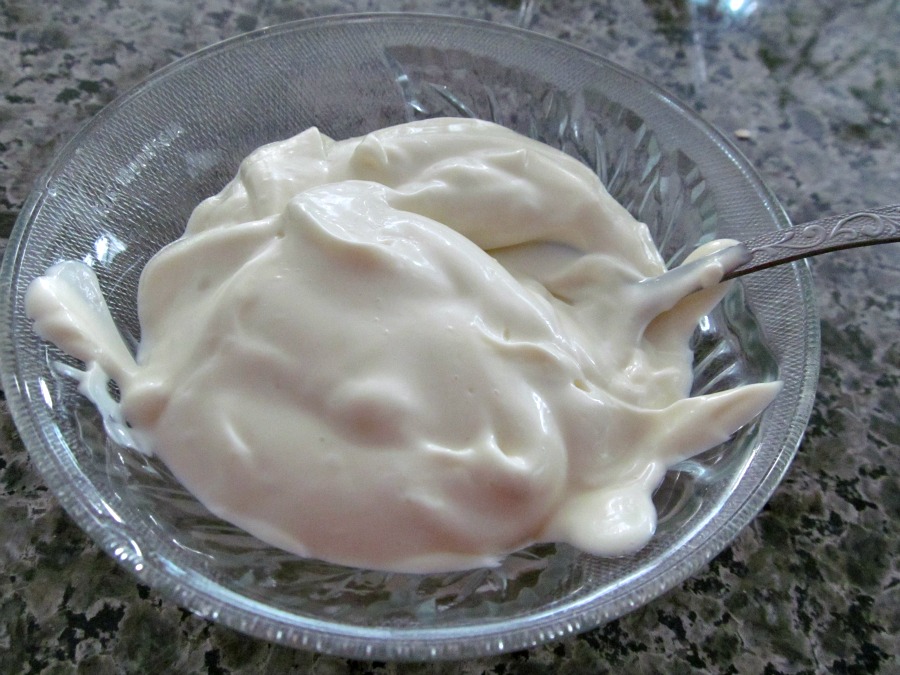
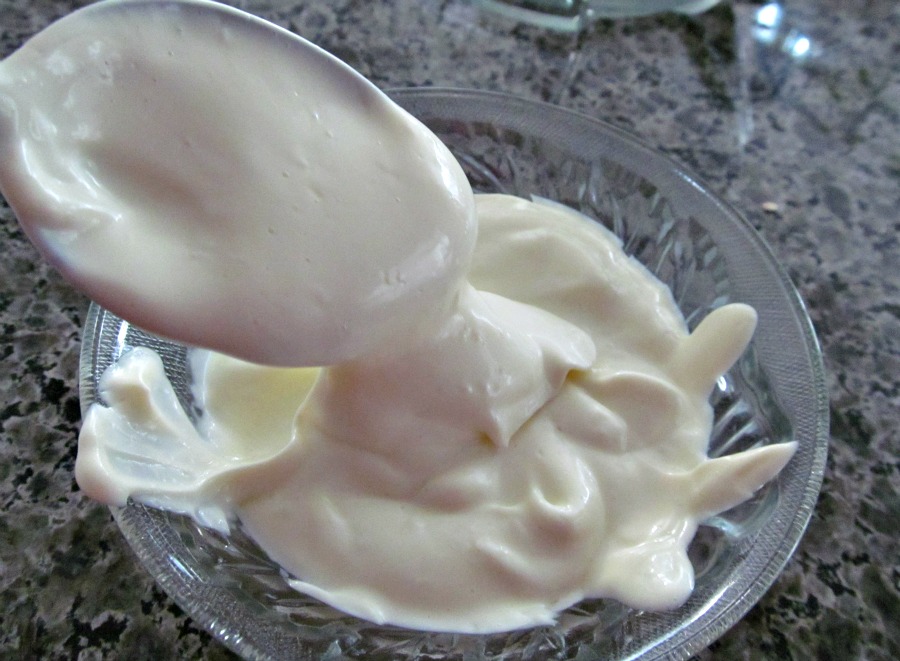
mayonnaise

I love salads with mayonnaise! And I prefer healthy food. This type of mayonnaise good for adult and for children.


Ingredients


150 gram olive oil


1 egg


1 tablespoon vinegar 5% (or lemon juice)


1/3 teaspoon of salt


Direction


In a blender pour the olive oil, add the egg, vinegar and salt. Beat all ingredients until the mayonnaise.


make mayonnaise at home


PS. You need to have a correct blender. I use this model:


Mayonnaise - fast, delicious, healthy.

Friday, March 1, 2013

Healthy After School Snack Ideas.

If you are a parent who has school age children, you have most likely noticed your children makinghealthy snacks ideas


a quick detour to the kitchen for an after school snack.  If this is the case, you want to make sure your child has healthy snacks that will satisfy their hunger but not ruin dinnertime for them.


It’s not surprising that most children are hungry when they come in from school.  School lunch times are often earlier than noon and by the time they complete their afternoon at school, they will have already digested their lunch and will be ready for something else to eat.


Here are some basic tips and after school snack ideas that will help satisfy your child’s hunger but will also leave room for a nutritious dinner.


First of all, you need to consider what type of eating schedule your child is on.  Younger children may have a mid-morning snack, but the older school age kids generally do not.  Find out the meal schedule your child follows on a daily basis and this will help you determine how hungry your child is when they come home from school.


Secondly, do not offer food or drinks that contain a lot of sugar.  Offer water or skim milk as an alternative and if dinnertime is soon, water is most likely best because milk can be very filling.  Knowing your child’s mealtime routines will help you determine what snacks are best for them.


Giving Your Child Some Choices


Talk to your child about what types of snacks they would prefer after school.  It’s all about choices and if your child knows they have the option to make choices, you will most likely see your child reali es there are alternatives to chips, sodas and other low-nutrient snack foods.  You don’t necessarily have to ban them from such snack foods or drinks, but these are things that you don’t want them to consume on a daily basis for after school snacks.  Let your child help you make choices when grocery shopping and encourage them to choose snacks that are low in fat, sugars and sodium.  Letting your child be involved in making choices related to their own foods will help them learn to make healthy choices for themselves.


Keep in mind that kids are most often going to choose snacks that are pretty much ready to eat and easy to come by.  Don’t expect your child to do a lot of snack preparation on their own.  If you intend to offer things like fresh fruits or vegetables, make sure those snacks are readily available and pre-prepared so your child can just simply open the refrigerator, make their choice and enjoy.


If your child is a teenager, they may want to prepare their own snacks.  In that case, all you have to do is make sure the food is available and if preparation is necessary, you may want to show them how to do it or leave written instructions just in case you aren’t home when they get in from school.


Healthy Snack Ideas


Some healthy and creative snack ideas that you may want to consider for your child are things such as:


Fresh Veggies & Dip – Fresh veggies are a great option for children of any age.  You want to make sure you offer a low fat/low calorie dip.  You can use fresh celery, carrots, broccoli or other fresh cut veggies.  When they know dip is available, it will make the veggies more appealing to your child.  This is a snack that is good for children of any age.


Ants on a log – This is an easy option where you stuff celery with peanut butter and top with raisins.  Younger children seem to love this option.


Egg Wedges – Take hard boiled eggs and cut into wedges.  Put some cheese on top or pieces of fresh fruit.


Fresh Fruits – Try to make sure you have a supply of apples, oranges, bananas and other fruits available. Ask your child which fruits they prefer and give them a couple to choose from at snack time.


Those are just some suggested ideas for healthy after school snacks for your children.  There are many more foods to choose from.  Use your own creativity and although you don’t necessarily have to totally ban your child from snacking on other things, you don’t want them to be in the habit of choosing things like potato chips and soda instead of an apple and glass of water or skim milk. Once your child reali es they have healthy snack options to choose from and know those foods are just as satisfying, they will most likely begin to choose those healthy snacks versus the snacks that have no nutritional value.


Healthy After School Snack Ideas.